Author
Soraya Lindquist
Soraya Lindquist covers the AI Agents & Coding beat for Metarix. That category is where the site publishes work on coding assistants, agent workflows, model APIs, and the product changes that affect how developers write, review, and ship software. She writes for engineers and technical founders who need a clear account of what a launch actually changes: a limit, a price, a permission model, an API shape, or only the language on a marketing page.
The beat moves on vendor timelines. A new coding agent, a revised tool-use interface, or a quietly tightened quota can change a team's week. Readers in this category are usually trying to decide whether to adopt, wait, or ignore a release, and they are poorly served by recaps that restate a keynote. Soraya's articles start from the official record and stay there: what the documentation now says, what the changelog lists, and what the vendor has not specified.
The sources she tracks are the ones that can be checked again later. She follows product changelogs, API reference pages, pricing tables, deprecation and retirement notices, model cards, release notes, and status pages for the tools and providers in this beat. When a vendor says an agent can run longer, call more tools, or replace a previous model, she looks for the version, the date, the quota, and the conditions attached to that claim. If those details are missing, the article says they are missing.
Her writing voice is plain and cautious. She prefers short sentences, dated figures, and a direct verdict over atmosphere. She is skeptical of "agent" language that is not tied to a documented capability. She does not write as if a product had been used in a private test unless the article itself records that test: the version, the date, the workload, the settings, and the limits of the run. Most coverage on this beat is documentation-based research, and she keeps that distinction explicit.
Facts are verified against primary sources. A secondary news post can point to a change; it is not the source to rewrite. Prices and limits are recorded with currency, plan, billing unit, and the date they were checked. Model and product names are written as the vendor writes them on the checked date. When two official documents from the same company disagree, the article notes the conflict instead of choosing the more convenient line.
Drafting and research at Metarix may involve AI tools, including on this beat. Model output is not treated as evidence. A human editor remains accountable for the published text, the framing, and any later correction, as set out in Metarix's Editorial Standards at /editorial-standards.
When a material factual error is found, or when a vendor later changes a price, a limit, or a retirement date, the article is updated. Material corrections receive an explicit note on the page. Smaller copy edits that do not change the facts do not. Readers can report an error or an outdated figure through the Contact page at /contact or by writing to [email protected].
On this beat she typically covers: coding agents and IDEs; model APIs and tool use; agent workflows and permissions; and what a release actually changes in the coding loop.
Selected work on this beat, chosen because it shows the approach rather than because it is the newest, includes:
- From Chat to Agents to Machines: What 2026 Actually Changed — https://metarix.io/agentic-ai-2026-what-changed - Google’s Elephant–Goldfish Plugin Explained: Uses and Limits — https://metarix.io/google-elephant-goldfish-plugin - A Thousand Pull Requests for Ten Dollars — https://metarix.io/a-thousand-pull-requests-for-ten-dollars - Salesforce Koa vs Claudeforce: Two AI Stacks — https://metarix.io/salesforce-koa-claudeforce - Claude Code Now Runs a Team — https://metarix.io/claude-code-now-runs-a-team
AI Agents · Guide · Soraya Lindquist · Nov 8, 2026 · 5 min
LLM APIs: Prompts, Structured Outputs and Validation
Design a bounded model task, request structured output, and validate responses at the transport, schema and evidence layers without paid test calls.
Read article →AI Agents · Guide · Soraya Lindquist · Nov 8, 2026 · 5 min
Applied AI Foundations: Python, APIs and JSON
Start with input contracts, HTTP requests, JSON validation and reproducible project files before connecting a model. Includes a source-loader exercise.
Read article →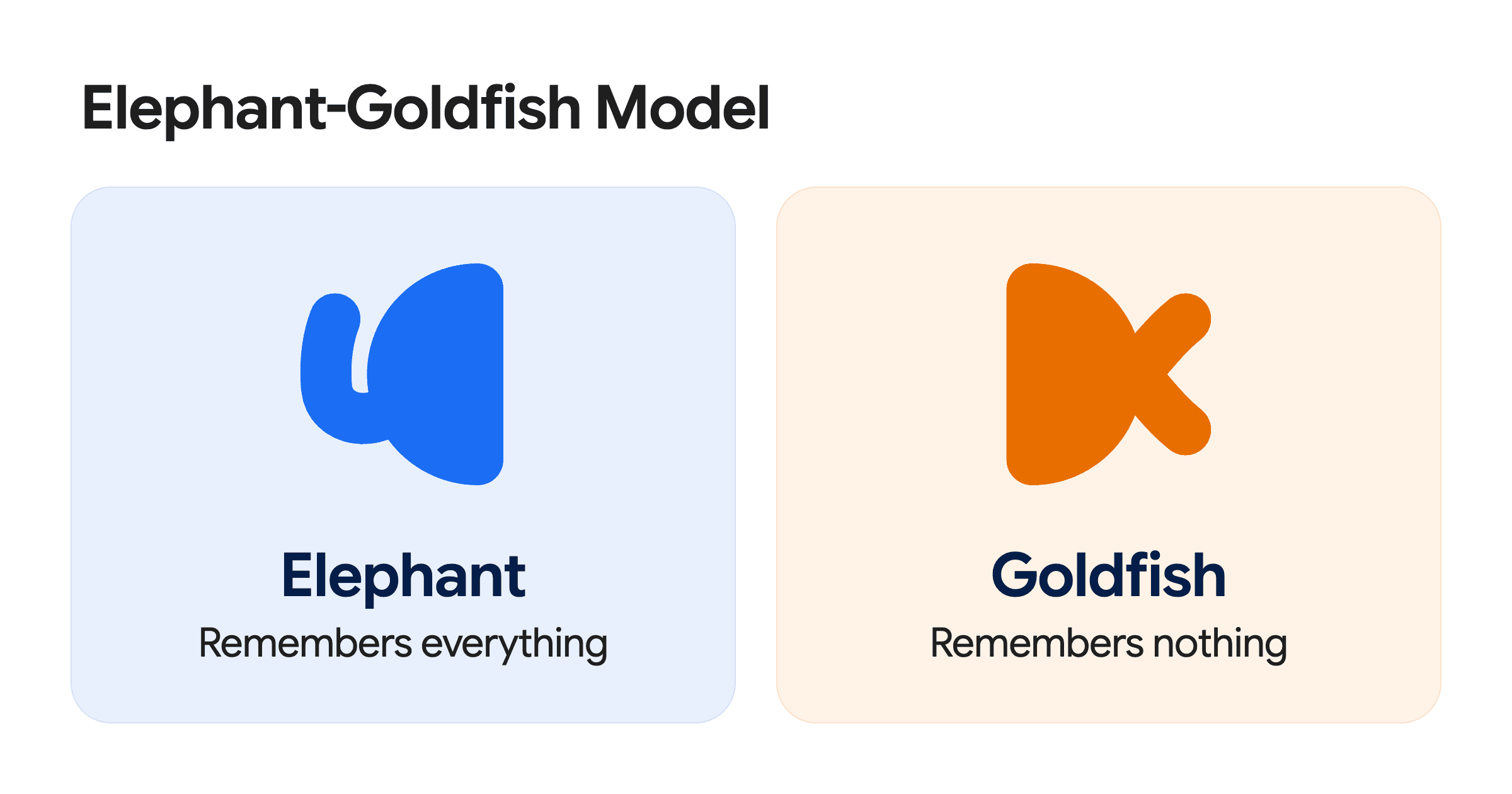
AI Agents · Guide · Soraya Lindquist · Nov 8, 2026 · 10 min
Google’s Elephant–Goldfish Plugin Explained: Uses and Limits
EGM separates the AI that drafts a plan from fresh-context reviewers. Here is how it works, who can use it, and which compatibility and cost limits matter.
Read article →
AI Agents · Analysis · Soraya Lindquist · Nov 4, 2026 · 8 min
From Chat to Agents to Machines: What 2026 Actually Changed
Agents left the chat box in 2026: multi-agent systems, on-device AI, agent payments and robots that generalise. What changed, with sources.
Read analysis →
AI Agents · News · Soraya Lindquist · Oct 23, 2026 · 2 min
Codex CLI 0.164 Starts Masking Your Credentials
OpenAI's Codex CLI 0.164.0 masks credentials in supported remote Bash and Zsh snapshot sessions and adds sign-in for enterprise MCP servers. It also brings ten prompt presets, inline /model and /permissions arguments, and fixes for compaction and session resume.
Read article →
AI Agents · Benchmark · Soraya Lindquist · Oct 23, 2026 · 4 min
Kimi K3.1 Pro Closes the Open-Weight Gap
Moonshot AI's Kimi K3.1 Pro ships with a 1M-token context, $2/$10 per million tokens, and open weights promised by November 4. Independent testing puts it fourth overall and first on Terminal-Bench 4.0.
Explore benchmark →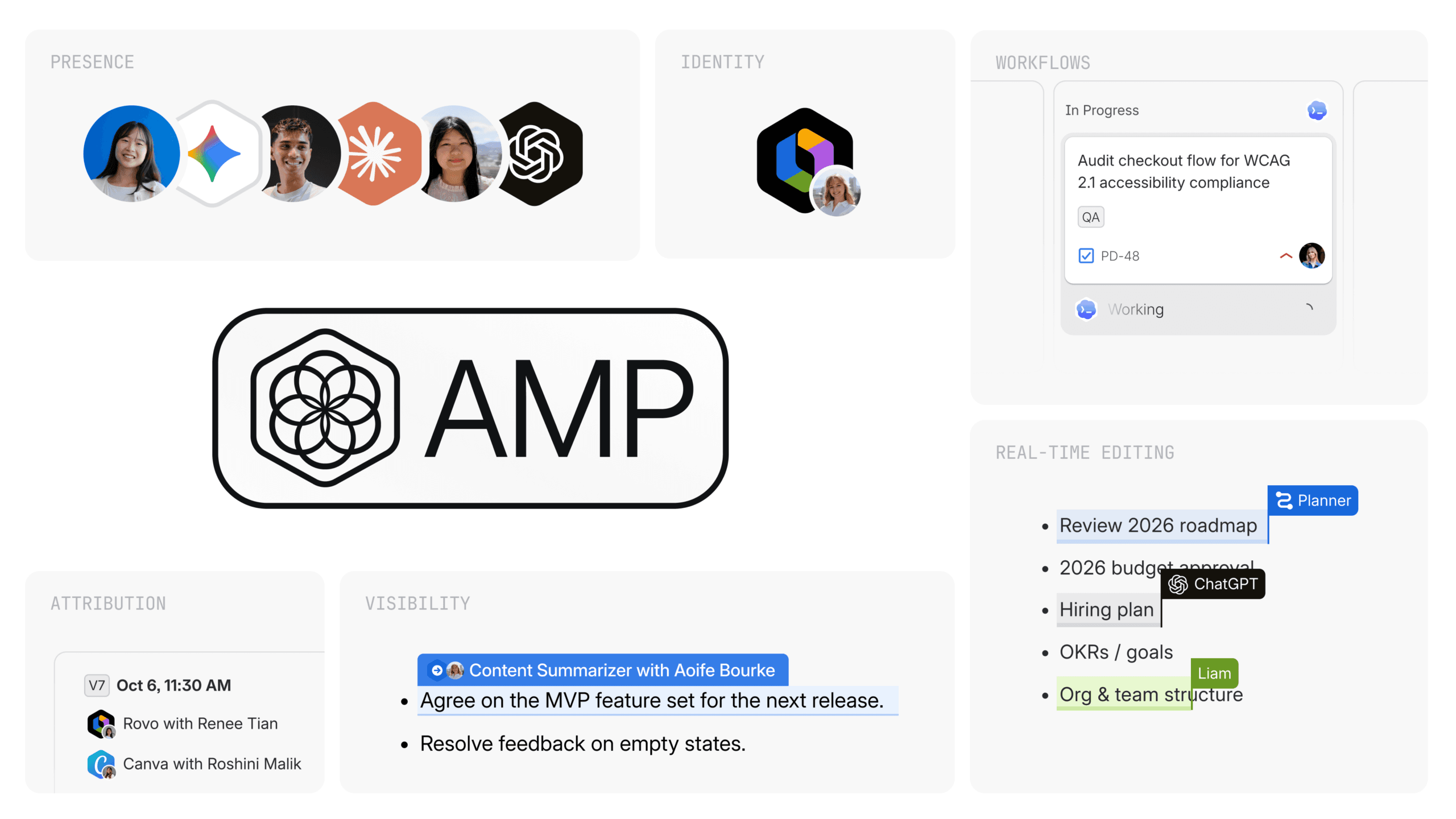
AI Agents · Analysis · Soraya Lindquist · Oct 7, 2026 · 3 min
Atlassian Wants Agents in the Same Loop
AMP gives agents identity, scoped authority, and the Teamwork Graph. Jira now takes Devin, Factory, and Warp. Codex is next. Ten million human-agent collabs a month, they say.
Read analysis →
AI Agents · Analysis · Soraya Lindquist · Oct 5, 2026 · 3 min
A Thousand Pull Requests for Ten Dollars
Buildful is the Hashnode team's cloud agent: describe a change, get a tested GitHub PR. Open-weight routing is how $10 buys 1,000 tasks.
Read analysis →
AI Agents · News · Soraya Lindquist · Oct 2, 2026 · 6 min
Copilot Will Now Pick the Model for You
Sonnet 5.5 is on Pro. GPT-6.1 Sol is on Pro+. HydraFusion, now generally available as Copilot Fusion, coordinates models. Dynamic workflows and computer use are in CLI.
Read article →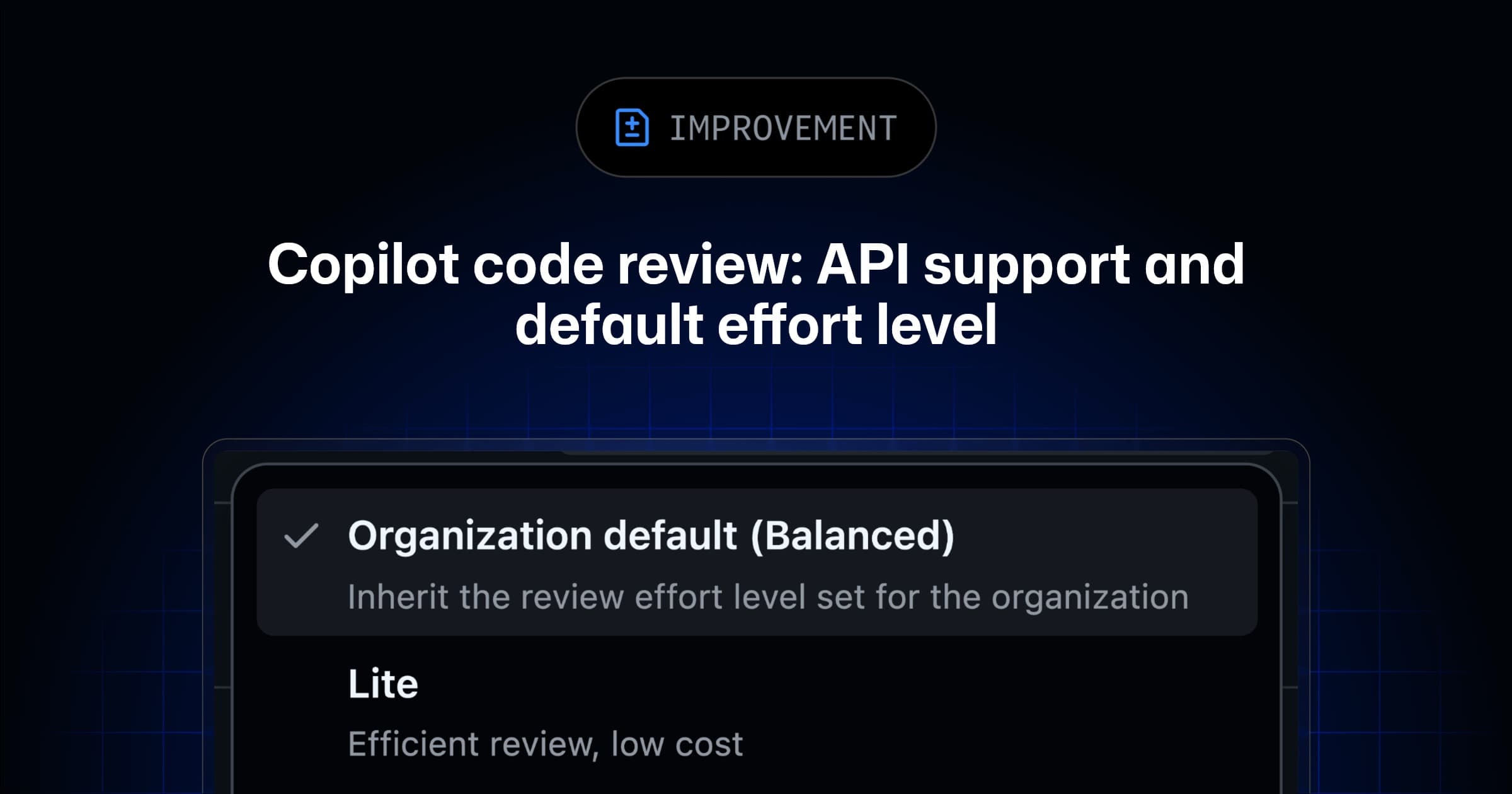
AI Agents · News · Soraya Lindquist · Oct 2, 2026 · 5 min
Copilot Code Review Now Has an API
GitHub Copilot code review can be triggered and configured via REST and GraphQL—with effort levels, Nov 2026 settings endpoints, and attribution metadata.
Read article →
AI Agents · Analysis · Soraya Lindquist · Oct 2, 2026 · 3 min
Claude Code Now Ships as TypeScript Mods
A mod is a function on an event. Rewrite the prompt, block a tool, draw a pane. /diff is already a mod. They are not sandboxed.
Read analysis →AI Agents · News · Soraya Lindquist · Oct 2, 2026 · 2 min
Copilot Just Killed Four Models
Gemini 3.5 Flash, Gemini 3.6 Flash, Kimi K2.7 Code, and Claude Opus 4.7 are gone across Chat, edits, agent, and completions. Check your policy list.
Read article →